Top Altcoins Demonstrating Technical Divergence and Institutional Inflows in Q4
Quantitative analysis of on-chain accumulation patterns, relative strength index divergences, and institutional derivative flows across large-cap and mid-cap altcoins.

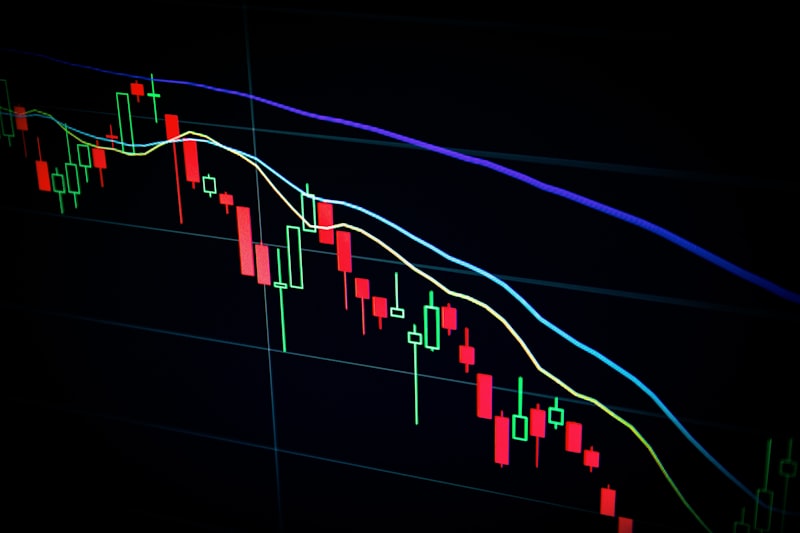
Quantitative market indicators reveal a pronounced divergence between speculative retail sentiment and institutional accumulation across high-throughput Layer-1 and modular infrastructure assets. Institutional capital allocators are aggressively deploying into protocols demonstrating positive net cash flows, protocol fee generation, and verifiable staking yields.
De-Coupling From Bitcoin Beta: The Emergence of Fundamental Altcoin Value
Historically, alternative digital assets have exhibited high beta correlation to Bitcoin price movements. When Bitcoin trended upwards, altcoins surged with heightened volatility; during drawdowns, mid-cap assets suffered severe capitalization loss. However, Q4 quantitative telemetry highlights a structural decoupling in select Layer-1 and DeFi tokens.
Evaluating Real Protocol Revenue and Price-to-Earnings Multiples
Sophisticated hedge funds and venture desks are evaluating digital assets through classical financial analysis lenses, specifically measuring Token Terminal annualized protocol revenue, daily active user economics, and fee burn mechanisms rather than social media narrative hype.
"The era of purely narrative-driven altcoin speculation is receding; institutional capital demands verifiable fee generation and economic sustainability."
Protocols that generate millions in recurring daily fees—such as high-throughput DEXs and decentralized staking networks—are outperforming broader market indices by substantial margins.
Quantitative Indicators: Relative Strength Index (RSI) Divergences and CVD
Technical market technicians track Cumulative Volume Delta (CVD) alongside multi-timeframe RSI divergences to identify accumulation by market makers before breakout confirmation.
Spot Inflows vs. Leveraged Futures Open Interest
A critical marker of sustainable rallies is spot order book absorption paired with neutral or declining perpetual futures funding rates. When spot buyers absorb sell orders without speculative margin buildup, market structure remains exceptionally resilient against cascading liquidation flushes.
Conversely, rallies driven solely by high perpetual futures leverage carry elevated vulnerability to sudden long squeezes, emphasizing the vital importance of monitoring derivative skew metrics.
Macro Institutional Inflow Channels and Regulated Custody Options
The expansion of regulated institutional custody providers such as Anchorage Digital, Fidelity Digital Assets, and Coinbase Prime has paved the way for institutional asset managers to custody alternative assets in compliant sub-accounts.
Portfolio Diversification Guidelines for Institutional Allocators
Regulated wealth managers typically cap altcoin exposures between 2% and 5% of digital asset allocations, enforcing programmatic rebalancing strategies to mitigate tail-risk drawdowns while capturing exponential upside from protocol adoption.
As crypto financial products receive broader global regulatory licenses, top-tier altcoins with clean regulatory status are set to capture the next wave of institutional investment capital.
| Altcoin Category | Primary On-Chain Metric | Technical Indicator Signal | Institutional Thesis |
|---|---|---|---|
| High-Throughput L1s | Daily Active Signers & Realized TPS | Bullish weekly CVD spot divergence | Capturing global consumer payment settlement volume |
| Modular Data Availability | Blob storage fee throughput | Lower volatility consolidation above 200-EMA | Underlying foundational infrastructure for hundreds of rollups |
| DeFi Lending Bluechips | Total Value Locked (TVL) & Net Interest Margin | Breakout from multi-month accumulation base | Real economic yield derived from collateralized borrowing |
| Decentralized Oracles | Secured Total Value (TVS) in Smart Contracts | Consistent high whale wallet accumulation | Mission-critical enterprise infrastructure immune to consumer trends |
Frequently Asked Questions
What is technical divergence in crypto trading?
A technical divergence occurs when an asset's price moves in the opposite direction of a technical indicator (such as RSI or MACD), indicating that current price momentum may be weakening or reversing.
What is Cumulative Volume Delta (CVD)?
Cumulative Volume Delta measures the net difference between market buying volume and market selling volume over time, revealing whether aggressive market orders are predominantly buy or sell transactions.
Why are institutions focusing on protocol fee revenue?
Institutions require measurable fundamental valuation metrics. Protocols that generate sustainable fee revenue from real users demonstrate economic viability and long-term token holder value.
How do funding rates indicate market health?
Neutral or moderately positive funding rates indicate organic, balanced spot buying, whereas excessively high positive funding rates warn that leveraged longs are overextended and vulnerable to sharp liquidations.
This market dispatch is published strictly for informational, educational, and journalistic research purposes by CryptoNexa Hub under the editorial direction of Abdul Mateen. Nothing contained herein constitutes investment, tax, legal, or financial advice. CryptoNexa Hub and its editorial contributors hold no liability for financial decisions or trades executed based on this on-chain telemetry. Cryptocurrencies are volatile; consult an accredited financial professional prior to allocating capital.