Best Altcoins to Watch in 2026: Five High-Utility Tokens and Their Market Risks
Comprehensive institutional watchlist of the top five high-utility altcoins for 2026, analyzing Layer-2 scaling, enterprise interoperability, and tokenomics risk factors.

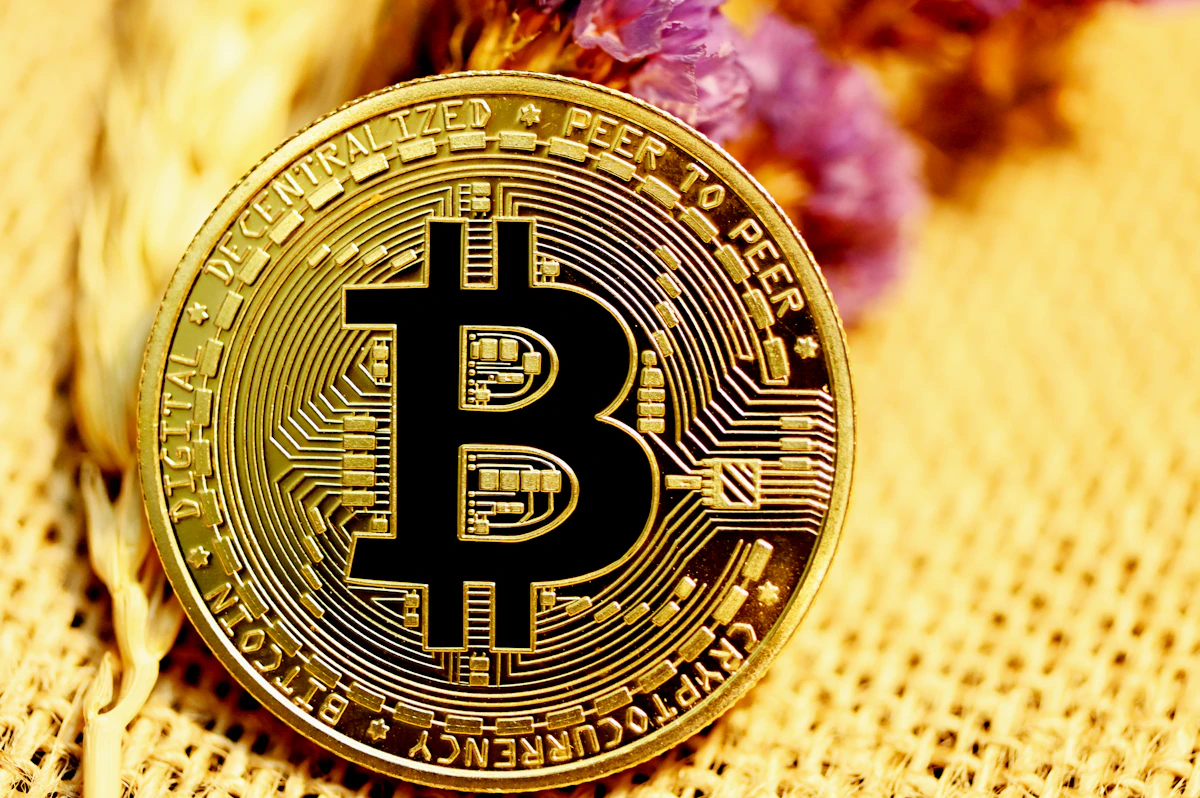
As market cycles transition from Bitcoin dominance toward broader altcoin rotation, institutional investors are prioritizing digital assets with proven on-chain revenue, enterprise adoption, and sustainable token emission schedules. Our research desks have identified five high-utility tokens demonstrating asymmetric risk-adjusted potential in 2026: Arbitrum (ARB), Chainlink (LINK), Polygon (POL), Optimism (OP), and Avalanche (AVAX).
The Altcoin Season Index and Structural Liquidity Cascades
Capital rotation in cryptocurrency follows deterministic liquidity phases. In the early stages of a bull market, capital concentrates into Bitcoin and Ethereum due to spot ETF access and deep liquidity order books. Once Bitcoin establishes multi-month consolidation at new price peaks, capital cascades into large-cap infrastructure tokens and utility protocols offering scalable revenue models.
The Altcoin Season Index tracks this dynamic by measuring the percentage of the top 50 digital assets outperforming Bitcoin over a trailing 90-day window. Unlike speculative meme token frenzies, long-term capital preservation requires focusing on foundational blockchain networks that secure billons in Total Value Locked (TVL).
"Sustainable altcoin returns in institutional market regimes demand rigorous analysis of Fully Diluted Valuation (FDV), token unlock schedules, and direct protocol fee generation."
Top Five Utility Altcoin Candidates Analyzed
1. Arbitrum (ARB) — The DeFi Execution Leader
Arbitrum maintains dominance as the leading Ethereum Layer-2 rollup by Total Value Locked, commanding over 40% of all Layer-2 capital. With the release of Arbitrum Orbit, developers can deploy customized Layer-3 chains using proprietary gas tokens and Arbitrum Stylus (enabling smart contract development in Rust, C, and C++).
2. Chainlink (LINK) — Institutional Cross-Chain Messaging
Chainlink is the de facto standard for decentralized oracle data feeds and institutional interoperability. Through the Cross-Chain Interoperability Protocol (CCIP), financial giants including Swift and Euroclear are piloting tokenized real-world asset (RWA) transfers across private banking ledgers and public blockchains.
3. Polygon (POL) — Zero-Knowledge Aggregation & Enterprise Rails
The migration from MATIC to the POL token upgrades Polygon into an aggregated multi-chain zero-knowledge ecosystem. Through the AggLayer, independent rollups settle shared liquidity and atomic transactions with sub-cent transaction costs.
4. Optimism (OP) — The OP Stack Superchain Framework
Optimism powers prominent ecosystem rollups including Coinbase's Base, Zora, and Worldcoin through the OP Stack. Revenue sharing from Superchain sequencer fees feeds the RetroPGF treasury, creating a self-sustaining public goods funding loop.
5. Avalanche (AVAX) — Sovereign Institutional Subnets
Avalanche Subnet technology allows Wall Street financial institutions to launch compliant, permissioned blockchains featuring custom gas tokens, geofenced validator requirements, and instant cross-subnet communications via Avalanche Warp Messaging.
| Asset / Token | Core Value Proposition | Primary Catalyst | Key Risk Factor |
|---|---|---|---|
| Arbitrum (ARB) | Largest Ethereum L2 DeFi ecosystem | Arbitrum Orbit Layer-3 AppChains | Scheduled investor token unlocks |
| Chainlink (LINK) | Universal Web3 data oracle standard | Swift & banking CCIP integrations | Enterprise deployment timeline delays |
| Polygon (POL) | AggLayer zero-knowledge proof settlement | Polygon 2.0 multi-chain staking | Intense Layer-2 fee competition |
| Optimism (OP) | Modular OP Stack Superchain network | Base & partner sequencer fee revenue | Governance token value capture debates |
| Avalanche (AVAX) | Custom enterprise subnet infrastructure | Wall Street RWA private subnets | Validator hardware requirements |
Frequently Asked Questions
What defines an 'altcoin season' in crypto markets?
An altcoin season occurs when at least 75% of the top 50 non-stablecoin digital assets outperform Bitcoin over a 90-day recording period, indicating broad capital dispersal into higher-beta assets.
Why is Fully Diluted Valuation (FDV) important when buying altcoins?
FDV measures the total market capitalization if all tokens were in circulation. Projects with low circulating supply but massive future unlocks face structural sell pressure that can depress token prices despite protocol growth.
Are Layer-2 altcoins better investments than Layer-1 tokens?
Layer-2 tokens capture value from high application activity and sequencer fees settled on Ethereum, whereas Layer-1 tokens like Solana or Avalanche benefit directly from base transaction fees and native network staking yields.
How should an investor manage risk across an altcoin portfolio?
Prudent risk management includes setting maximum allocation limits per asset (typically 2-5%), employing hardware cold storage for long-term positions, and monitoring vesting release schedules.
This market dispatch is published strictly for informational, educational, and journalistic research purposes by CryptoNexa Hub under the editorial direction of Abdul Mateen. Nothing contained herein constitutes investment, tax, legal, or financial advice. CryptoNexa Hub and its editorial contributors hold no liability for financial decisions or trades executed based on this on-chain telemetry. Cryptocurrencies are volatile; consult an accredited financial professional prior to allocating capital.